
The short version
B2C lead generation connects a personal need to a useful next step
The customer may be a homeowner comparing solar installers, a family considering new windows, or an individual researching a hearing appointment. The campaign needs to reach the right person, explain the proposition clearly and collect enough information for the next conversation.
We judge the process by what happens after the enquiry: whether the person can be contacted, whether the request fits the buyer, and whether it progresses to an appointment, quote or sale. That is the commercial purpose of consumer lead generation.
01 · Buying situation
The difference between B2C and B2B is the decision, not the advertising platform
Both B2C and B2B campaigns can use search, social advertising, content and landing pages. What changes is who decides, what they need to know and what happens next.
A consumer acts for themselves or their household rather than buying on behalf of a business. That does not necessarily mean an impulsive purchase or a single decision-maker. A solar installation, new kitchen or home adaptation can require household agreement, property access and a substantial budget. We design the next step around those decisions rather than assuming that all consumer leads should close quickly.
| Consideration | B2C lead generation | Typical B2B lead generation |
|---|---|---|
| Buyer | Individual or household | Business account and stakeholders |
| Immediate need | Personal product, service or problem | Operational or commercial requirement |
| Common next step | Quote, survey, consultation or purchase | Discovery call, demonstration or proposal |
| Useful qualification | Product, location, property, eligibility and timing | Company fit, role, need, authority and timing |
| Commercial measure | Appointments, sales, revenue and margin by consumer cohort | Qualified pipeline, opportunities and won revenue by account |
02 · Consumer journey
Start with the need the consumer already recognises
We build campaigns around a recognisable product or outcome. Someone searching for a boiler replacement has a different need from someone considering a solar and battery system. Combining them into a generic “home improvement” promise may increase reach but gives sales less context.
The advert and page should help the person understand what they can request and what will happen next. The form then collects the details that change matching or follow-up—rather than adding questions simply to make the lead appear more qualified.
On mobile, clarity matters even more. A consumer should be able to understand the offer, complete the journey and correct their details without unnecessary friction.

03 · Fit and intent
A good B2C lead combines a real request with the right buying criteria
We look for four things before a matching enquiry reaches a buyer: the consumer has actively asked for help, the contact details are usable, the product and location fit the campaign, and the original answers give sales a relevant starting point.
Intent is not a guarantee. The person may still compare alternatives, change their mind or decide not to proceed. The provider’s job is to generate and check the opportunity; the buyer’s proposition, response and sales process determine how that opportunity develops.
Qualify what changes the decision
- Product or service requested
- Postcode or service area
- Relevant property or eligibility details
- Project timing or urgency
- Preferred next step where useful
Give sales the original context
- Which campaign and proposition generated the enquiry
- The answers supplied by the consumer
- Which checks and matching rules were applied
- When the enquiry was made
- Which outcome should be returned
Inspect the consumer experience
Check the promise, the form and the first conversation together
A consumer enquiry is not just a phone number with a product label. The person responded to a particular promise. If a page offers information about an upgrade, the salesperson should not open as though the customer has already ordered it. If it offers a quotation, the next step should explain how the quotation will be prepared.
We recommend walking through the journey on a phone before launching. Read the advert, answer the actual questions and inspect the confirmation screen. Use a test route agreed with the provider rather than submitting invented details into live supply. Ask the receiving salesperson to explain what they would say first using only the information delivered.
| Point in the journey | Practical check | What the answer changes |
|---|---|---|
| Advert and landing page | Do both describe the same product and next step? | The proposition and sales opening |
| Qualification | Can a non-specialist answer without guessing measurements or technical details? | What to ask now and what to leave for assessment |
| Contact fields | Are labels visible, errors specific and previous answers preserved when correcting a mistake? | Whether a willing consumer can complete the form |
| Confirmation | Does it explain who will respond and how? | Customer recognition when contact happens |
| Sales handoff | Can the team see the original product request and answers? | Whether the conversation continues or starts again |
For a fitted-furniture enquiry, room and storage needs can start the conversation; exact measurements and design choices may need a consultation. For a boiler enquiry, distinguish an urgent problem from a planned replacement before discussing availability. These are different contact situations even if both forms collect the same name, email and phone fields.
A customer may need to speak with a partner, arrange access or compare options before booking. Record the agreed next step rather than classifying every delay as low intent. For timing and out-of-hours coverage, use the response guide; for deciding which questions to ask, use the qualification guide.
05 · Sector differences
Consumer intent looks different in every market
We use the same operating principles across sectors but not the same questions or journey. The product, buying trigger, location and next sales step should shape the campaign.
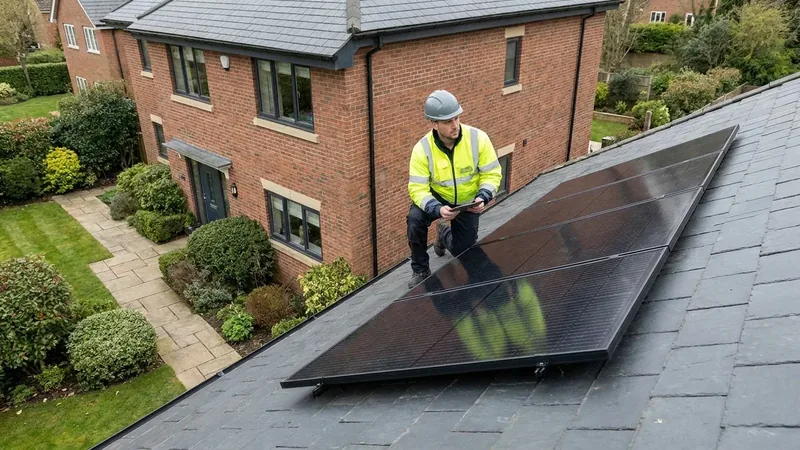
Solar
Panels, Batteries and Installation
Property, product interest, geography and survey capacity shape the handoff.
Explore solar leads →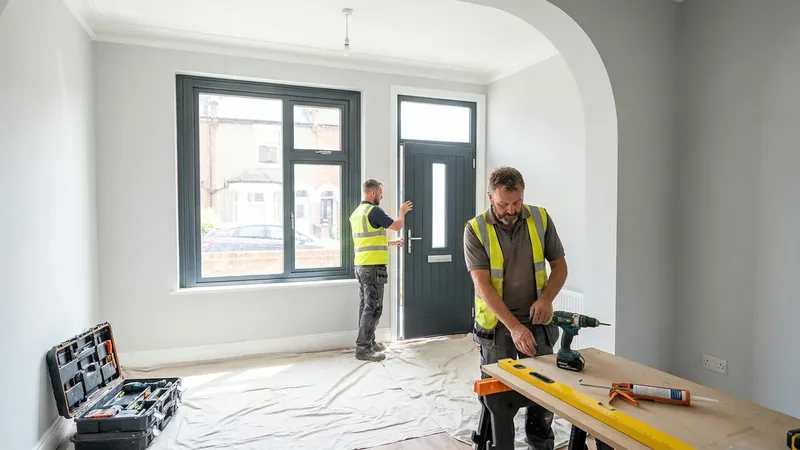
Windows
Windows, Doors and Glazing
Product range and postcode coverage determine which installer can respond.
Explore window leads →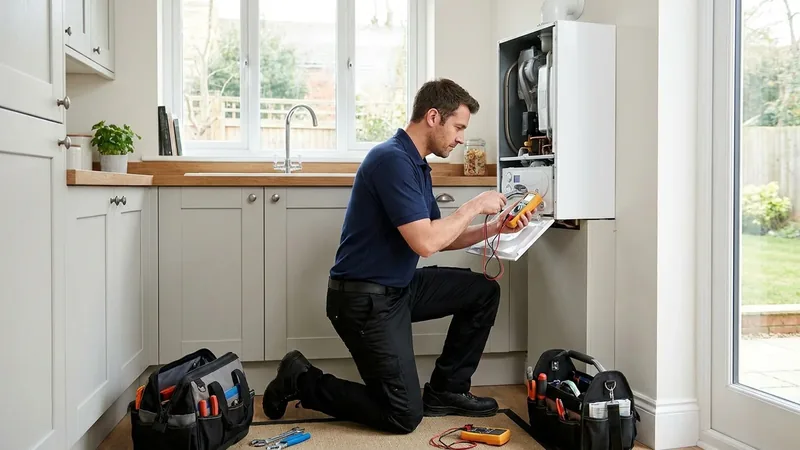
Boilers
Replacement and Heating
Replacement intent, property context and timing need a relevant sales route.
Explore boiler leads →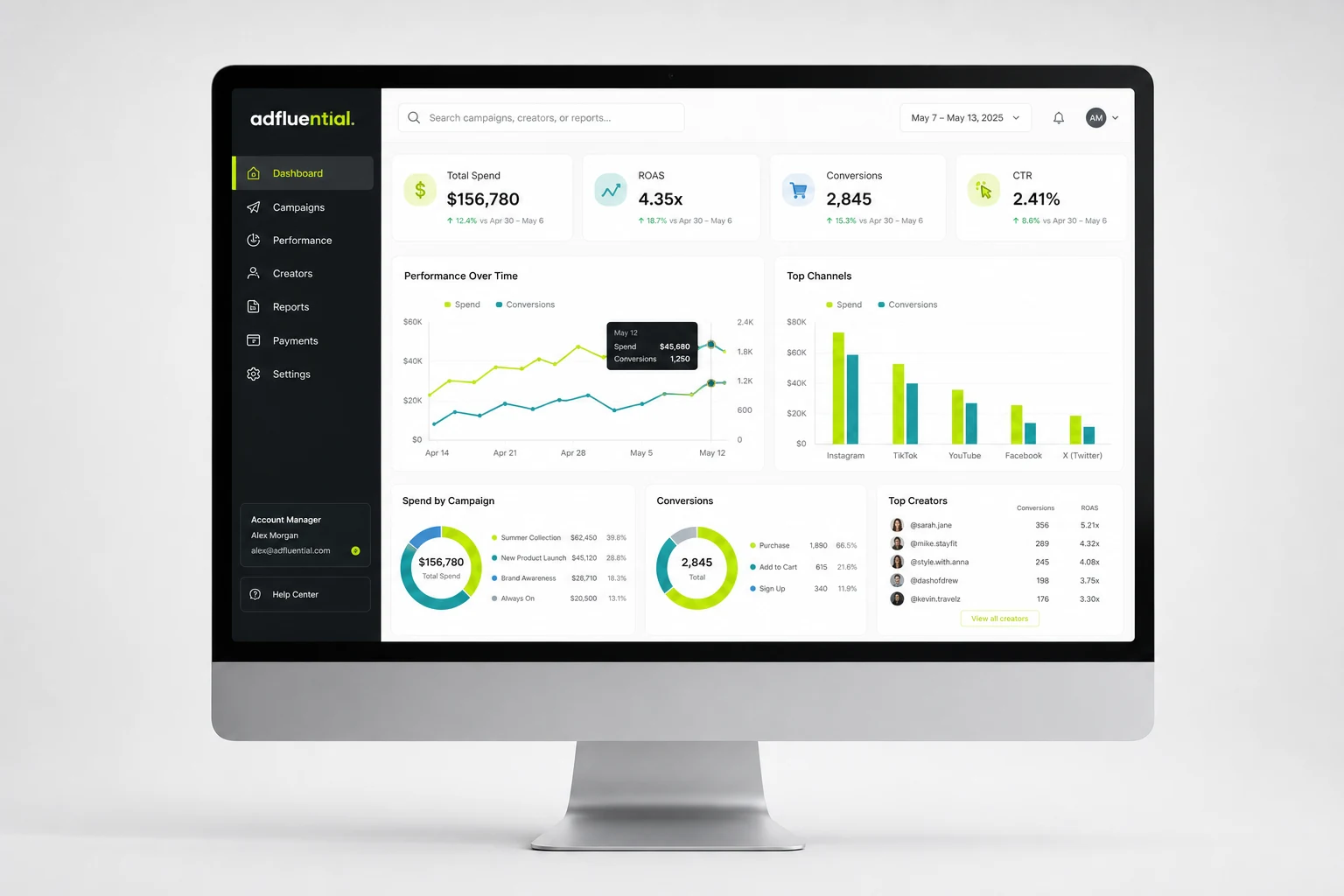
06 · Commercial measurement
Follow each cohort further than CPL
We begin with accepted lead volume and cost, then look at contact, appointment, quote, sale and revenue as the data becomes available. Comparing the same cohort at each stage shows where value is gained or lost.
A campaign may create fewer forms after qualification is improved while producing more useful conversations. That is why we do not optimise B2C lead generation around form volume alone.
Our B2C model
We own the campaigns and improve them with sales feedback
Adfluential generates consumer enquiries through brands and campaigns we own and manage. We agree the products, locations, questions and volume before launch, check matching enquiries and deliver them exclusively and in real time.
The Buyer Portal lets buyers review delivery and return downstream outcomes. We use that information to change targeting, creative, pages, questions and filters rather than treating lead supply as a fixed data feed.
Common questions
B2C lead generation FAQs
What is B2C lead generation?
B2C lead generation attracts individual consumers and gives them a route to express interest in a product or service. The enquiry is then matched, delivered and followed through a consumer sales process.
How is B2C lead generation different from B2B?
B2C campaigns address an individual or household need; B2B campaigns address a business requirement. Either can involve several decision-makers and a long evaluation. Design the next step around the actual purchase rather than assuming all consumer decisions are quick.
What makes a good B2C lead?
We look for an active consumer enquiry, usable contact details, the right product and location, and enough context for the receiving team to begin a relevant conversation.
Which channels generate B2C leads?
B2C leads can come from paid search, social advertising, content, comparison journeys, owned consumer websites, referrals and direct brand activity. The right choice depends on product, intent and sales economics.
How should B2C lead generation be measured?
Begin with accepted volume and CPL, then add contact, appointment, quote, sale, revenue and margin outcomes as the sales data becomes available.