

The short version
Home improvement is a collection of local product markets
A national campaign still ends with a local team visiting, surveying, quoting or installing at a property. Useful home-improvement lead generation therefore begins with the exact product, service area and capacity of the buyer.
We recommend separating products and territories in both campaigns and reporting. A solar installation, emergency garage-door repair and planned window replacement follow different customer and sales journeys.
01 · Build around profitable work
Choose the products you want to scale before choosing channels
Lead generation for home-improvement companies works best when the campaign starts with the work the business wants to win. A company offering several services may be tempted to advertise all of them through one broad campaign. We prefer to identify the products with suitable demand, margin, sales capability and installation capacity, then build a clear journey around each.
This improves the customer message and gives the sales team useful context. It also means cost per lead and sale can be reviewed by product rather than hidden inside one blended total.

02 · Match the buying situation
Planned projects and urgent repairs need different journeys
A homeowner replacing windows may research styles, materials and efficiency before requesting a survey. Someone with a failed boiler or broken garage door may need a much faster service decision. Large extensions and fitted interiors can involve longer planning, budgets and several household decision-makers.
The advert, page, qualification and follow-up should reflect that situation. We do not assume that a tactic working for one trade will transfer unchanged to another.
| Journey | Typical need | Useful next step | Operational focus |
|---|---|---|---|
| Urgent repair | A current fault or loss of service | Prompt contact or job booking | Availability, location and response |
| Planned replacement | Windows, boiler, door or roof upgrade | Qualification and survey | Product fit, timing and survey capacity |
| Considered installation | Solar, heat pump or major energy work | Consultation and property assessment | Education, suitability and sales cycle |
| Design-led project | Kitchen, furniture, bathroom or extension | Discovery and design appointment | Scope, aspiration, location and value |
03 · Local delivery
Postcode coverage is part of lead quality
A genuine homeowner enquiry can still be unusable if no team covers the property. We ask buyers for accurate postcode coverage and keep it aligned with the products each branch or installer can deliver.
Coverage also affects capacity and travel. A business may want more volume in one area while pausing another, or accept different project types at different distances. The provider needs enough control to reflect those changes in matching and campaign decisions.
04 · Qualification
Collect the property and project context that changes a decision
Home-improvement questions should be designed around the service, not copied from a generic lead form. Product type, postcode, property details and timeframe are common, but every extra question needs a reason.
We agree the useful questions and filters with the buyer before launch. Contact details are checked, and matching enquiries include the answers collected during the campaign. The salesperson can then continue qualification without asking the homeowner to start again.
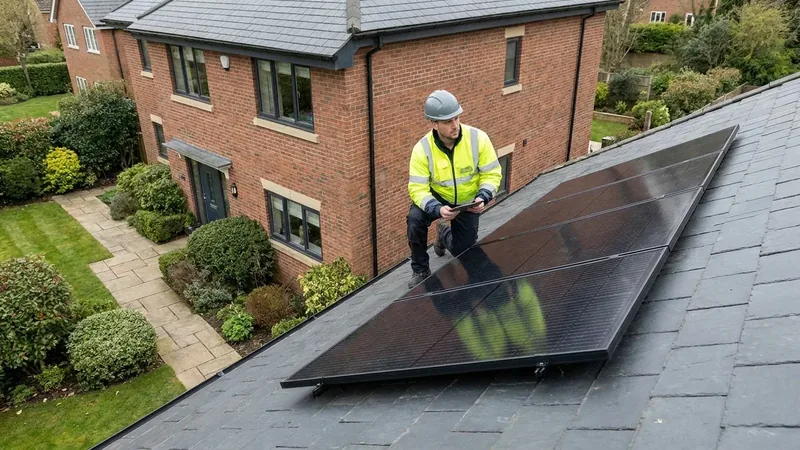
Solar
Panels and Batteries
Property context, product interest, postcode and installer criteria.
Explore solar →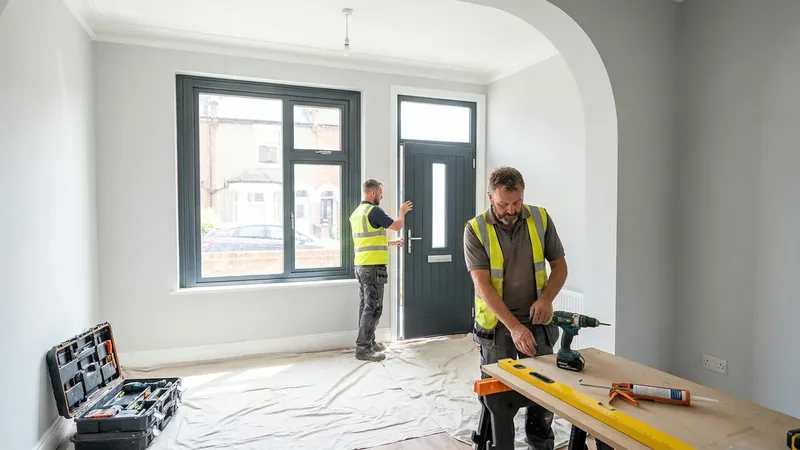
Windows and doors
Replacement and Glazing
Product range, material, project type, location and survey route.
Explore windows →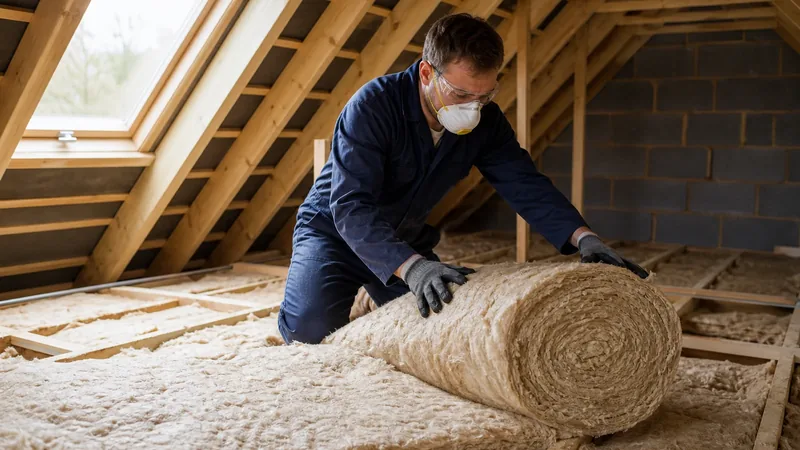
Insulation
Installation and Upgrades
Separate product types and property requirements from removal work.
Explore insulation →05 · Choose the handoff
Decide whether your team needs leads or booked surveys
Direct leads suit businesses with people ready to contact homeowners, complete qualification and arrange surveys. The buyer controls the first conversation and pays a CPL for matching enquiries.
Booked-survey campaigns move initial contact and scheduling to the provider. They can help where sales or administration capacity is the constraint and the buyer wants its surveyors focused on confirmed diary opportunities.
We support both routes across relevant sectors. Compare them through cost per attended survey and completed job, not lead price versus appointment price.
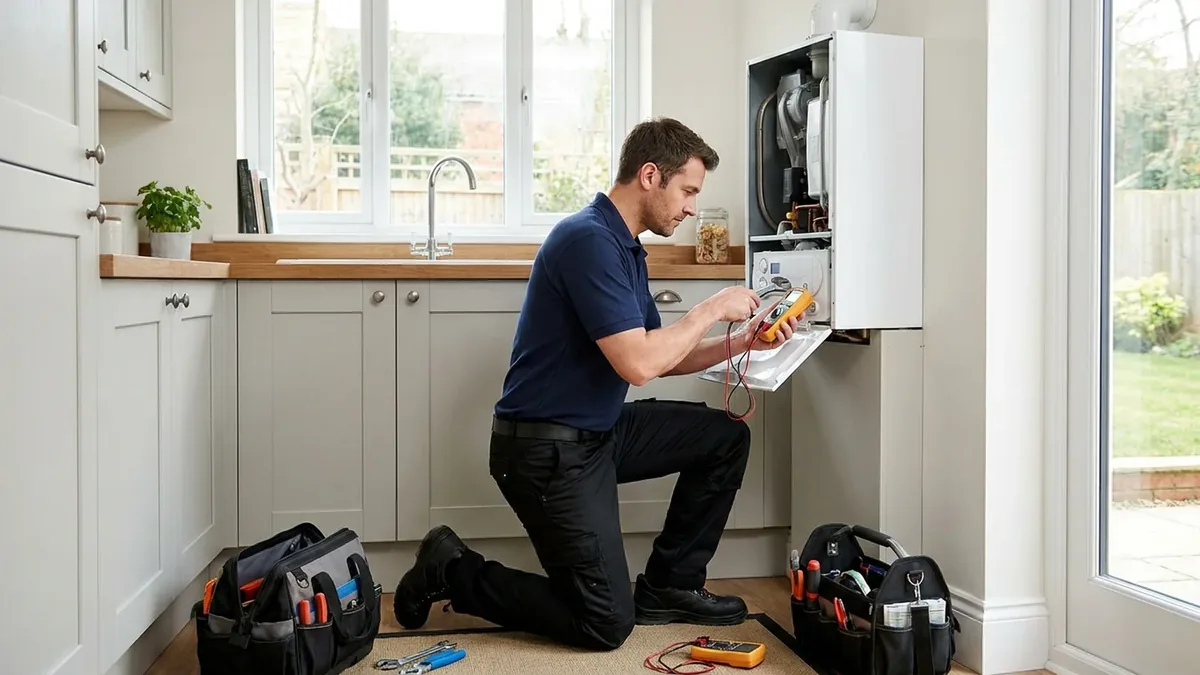
Plan from the installation diary backwards
Calculate the lead volume your spare capacity can support
Start with additional work you can fulfil after existing bookings, not the maximum number of enquiries available. Then check each earlier stage: installation, attended survey, initial contact. The narrowest stage determines whether buying more leads is useful.
For an illustrative planning period, suppose there is room for 12 additional installations, 30 additional attended surveys and the contact team can properly work 120 new enquiries. At assumed rates of 40% attended-survey-to-completed-installation and 25% lead-to-attended-survey, those stages align: 12 ÷ 0.40 = 30 surveys, and 30 ÷ 0.25 = 120 leads. These are example assumptions, not recommended conversion rates.
If only 20 survey slots are available, the survey constraint instead supports around 80 leads at that same 25% rate. Buying 120 would not create the missing survey capacity. Nor should the business overbook because it expects no-shows: forecast workload from its own cancellation and rescheduling history, with room for variation.
| Capacity check | Use your own figures |
|---|---|
| Installation capacity | Available installation days minus committed jobs, allowing for job duration |
| Survey capacity | Available appointments after travel, revisits and existing bookings |
| Contact capacity | New enquiries the team can work while following up its existing pipeline |
| Conversion assumptions | Lead-to-attended-survey and attended-survey-to-completed-job rates for that product |
| Campaign timing | When leads must arrive to fill the future installation window, allowing for the sales cycle |
Map the stages onto a calendar. This week’s enquiry may become a survey next week and an installation much later. A quiet installation diary tomorrow cannot necessarily be filled by buying a considered-purchase lead today. Conversely, stopping acquisition when installation teams are busy can leave a gap after current work is completed.
Use job duration as well as job count. A multi-day fitted-furniture project and a shorter replacement job consume different capacity. Our fitted-furniture and garage-door pages describe different product scopes; your own team’s delivery times should determine the volume brief.
07 · Measure completed work
The real funnel runs from enquiry to installation
Form fills and CPL help us manage the campaign. Contact, surveys, quotes, completed jobs and contribution show whether it works commercially. We ask buyers to return those outcomes by product, territory and source.
High-value projects also need time to mature. Keep recent lead activity separate from older completed sales so a growing campaign does not appear weak simply because the newest cohort has not finished its buying journey.
08 · Published campaign evidence
Follow home-improvement leads into appointments, sales and revenue
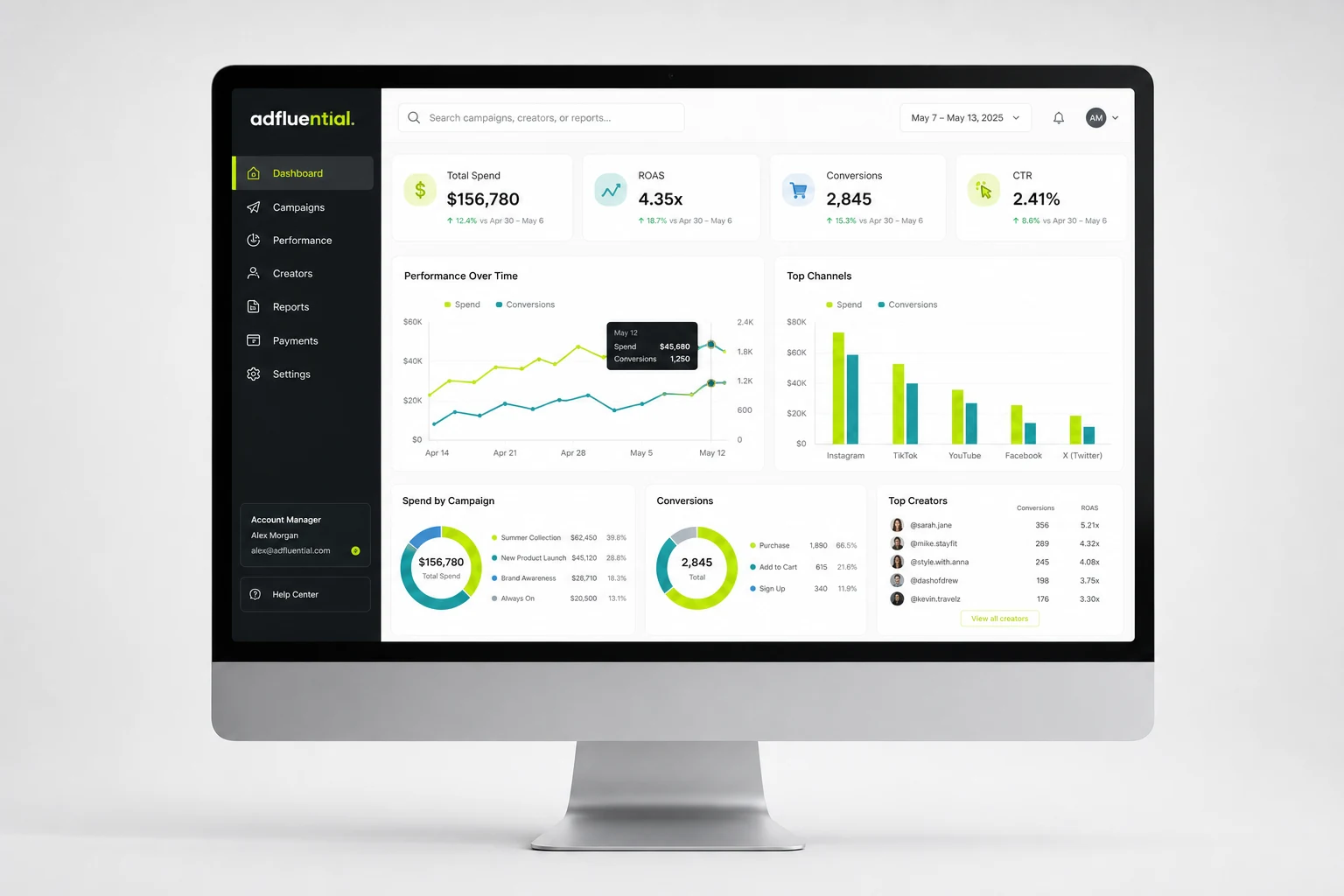
Our window case study reports 10,000 leads per month, 1,222 appointments, 349 sales, £2.375m in revenue and an 8.3x return on spend. It demonstrates why an installer should review the whole commercial chain rather than lead count alone.
Our solar case study documents the client’s baseline and clearly labels later revenue and return projections as modelled. Together, the cases show how product-specific acquisition and downstream feedback support scaling decisions.
Home-improvement leads through Adfluential
We build campaigns around the work your teams can deliver
We generate enquiries through consumer brands and campaigns we own and manage. Buyers give us the products, postcodes, useful questions and volume they can handle. We check and match enquiries, deliver them exclusively and in real time, and improve campaigns using the outcomes buyers return.
Direct leads, managed appointments and suitable acquisition arrangements are available according to sector and partnership. We start with the operating need rather than forcing every buyer into the same model.

Common questions
Home-improvement lead generation FAQs
What is home-improvement lead generation?
Home-improvement lead generation attracts homeowners with a relevant project need and turns their interest into an enquiry or booked survey for an installer or service business.
How do home-improvement companies generate leads?
Common routes include referrals, local search, paid search, social advertising, owned consumer websites, directories, comparison journeys and specialist lead providers.
What should a home-improvement lead include?
Useful information commonly includes the requested product, postcode, relevant property or project details, timing and checked contact details. The exact questions should match the service.
Should installers buy leads or booked surveys?
Direct leads suit installers with a responsive contact team. Booked surveys can suit teams that want the provider to complete initial contact, qualification and scheduling before handoff.
How should home-improvement leads be measured?
Track accepted leads, contact, surveys or appointments, quotes, completed jobs, revenue and margin by product, territory and source.